What is an estate sale? How they work, and how they differ from a garage sale
By Rory at Estate Sale Zone · Published
An estate sale is a sale of most of the contents of a home, held inside the house, usually over two or three days. It happens when a household is being emptied: after someone dies, when they move into care, or when they downsize. Everything from furniture and china to tools and linens is priced and for sale, and the public walks through the rooms to shop.
Many are run by estate sale companies, which price, advertise and staff the sale for a share of what sells. A garage sale, by comparison, is a family selling things they no longer want from the garage or driveway, usually for a morning.
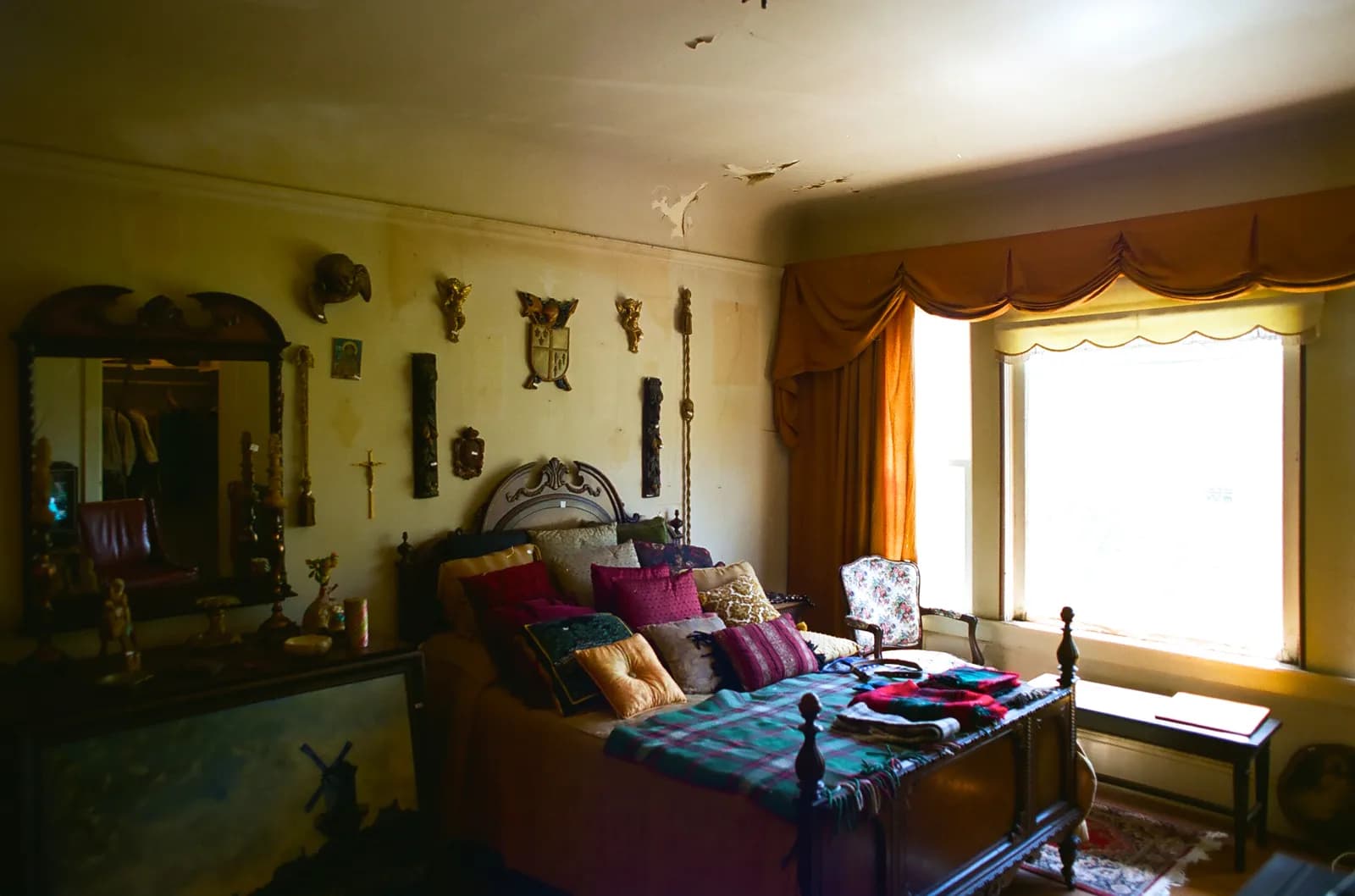
How an estate sale works
- It's advertised a few days ahead with photos, on the estate sale sites and on Estate Sale Zone. The street address is often held back until a day or two before.
- A line forms before it opens. Dealers and collectors come early for the best pieces, and many sales hand out numbers and let people in by number, a group at a time.
- Everything is tagged with a price. You carry small things to the cashier and tell staff which large pieces you want; they mark them sold.
- Prices drop on the last day, commonly by half, and what's left after that is usually bought out, donated or cleared.
- Bring cash (and check the listing for cards), and a way to get furniture home the same day, or ask when you can collect it.
When estate sales happen
Friday is the most common first day. Of the 56 estate sales listed on Estate Sale Zone between late September and early November 2026, 20 started on a Friday, 18 on a Saturday, 10 on a Sunday and 5 on a Thursday. Garage sales are different: about half of the 244 in the same period started on a Saturday. So for estate sales, “this weekend” starts Friday.
Estate sales in San DiegoEstate sales in Los AngelesSales in Orange County
Estate sale vs garage, yard and moving sales
A yard sale is a garage sale held on the lawn: the same thing, a different place. The real difference is with estate sales.
| Estate sale | Garage or yard sale | Moving sale | |
|---|---|---|---|
| What’s for sale | Most of a household’s contents | Things a household no longer wants | Whatever won’t make the move |
| Where | Inside the house, room by room | Garage, driveway or yard | Either |
| Who runs it | Often a company, for a commission | The family | The family, or a company for a big one |
| When | Usually two or three days, Friday to Sunday | Usually a Saturday or Sunday morning | A weekend before moving day |
| Prices | Tagged; cut on the last day, often by half | Low, and open to haggling | Low; everything must go |
A living estate sale is an estate sale held while the owner is alive, usually before a move to a smaller home or into care. It works the same way.

Questions
- Why is it called an estate sale?
- Because it sells a person's estate: the belongings they leave, or are leaving behind, when the home is emptied.
- Who gets the money from an estate sale?
- The estate or the family. If a company runs it, the company keeps its commission, commonly 30% to 45% in Southern California, and pays the rest.
- Are estate sales better than garage sales?
- For furniture, china, tools and older things, usually: a whole house is for sale, and much of it is better quality. Garage sales are better for cheap everyday things, kids' gear and haggling.
- What is the best day to go to an estate sale?
- The first morning for the best pieces; the last day for half price and fewer people.
- Can I call my garage sale an estate sale?
- Not if it isn't one: the estate sale sites only list sales that empty most of a home (EstateSales.NET FAQ), and some cities, like Santa Ana, define an estate sale by law.
Having an estate sale?
Post it free on Estate Sale Zone: it goes on the map and into the Thursday email of that weekend's sales. Our guide to running an estate sale yourself covers pricing, the door, leftovers and what companies charge.